
Methods of
Neuromodulation in Vienna
At the SOZO Brain Center Vienna, various non-invasive neuromodulation methods are used. These include Transcranial Pulse Stimulation (TPS), transcranial direct current stimulation (tDCS), transcutaneous auricular vagus nerve stimulation (taVNS), Cranial Electrotherapy Stimulation (CES), as well as complementary magnetic and shockwave-based procedures. The choice of method depends on the condition, the symptoms, the clinical findings and the individual medical assessment.
Which kind of Neuromodulation treatments we offer
TPS – Transcranial Pulse Stimulation
What is TPS?
Transcranial Pulse Stimulation (TPS) is based on focused shockwave technology. Ultra-short, high-energy pressure pulses are directed through the skull with precision onto defined regions of the brain.
How does TPS work?
Unlike electrical or magnetic stimulation methods, TPS uses mechanical pressure pulses to stimulate specific brain areas and modulate neurological function. It acts at the cellular and molecular level, leading to lasting regenerative changes, a reduction in inflammation and, above all, the activation and recruitmentof stem cells, which triggers sustained tissue regeneration continuing over many weeks.
How long does TPS take?
A TPS session lasts 20 to 40 minutes. Depending on the indication, the various affected and interacting brain areas are treated specifically according to the SOZO FNON network model.


tDCS – Transcranial Direct Current Stimulation
How does tDCS work?
Transcranial direct current stimulation (tDCS) is a non-invasive method of stimulating the brain. A weak direct electrical current is applied via electrodes placed on the scalp in order to modulate the activity of specific brain regions. tDCS typically uses low-intensity electrical currents. The treatment is generally well tolerated; possible side effects and contraindications are assessed by a physician before the treatment is applied.
What role does tDCS play in neuromodulation?
In tDCS, electrodes are placed on the scalp. The weak direct current modulates the excitability of nerve cells in the stimulated regions — the effect that is best established in the research literature. Preclinical and early clinical studies also suggest that the stimulation may influence local blood flow, glymphatic clearance and inflammatory processes, although these mechanisms are still the subject of ongoing research.
The SOZO method always considers several interacting brain areas ("networks") and aims to optimise the "data traffic" between them (FNON), which is why it is used in almost all neurological conditions.
taVNS – Transcutaneous Auricular Vagus Nerve Stimulation
How does vagus nerve stimulation via the ear work?
Transcutaneous auricular vagus nerve stimulation (taVNS) is a modern, non-invasive treatment method in which the vagus nerve is stimulated through the ear using gentle electrical impulses.
What role does the vagus nerve play?The vagus nerve is the longest cranial nerve in the body and a central hub of the parasympathetic nervous system – the system responsible for relaxation, regeneration and healing.
The brainstem relays the signals on to the various regions of the brain. This can produce measurable effects throughout the body.
The method is used across a wide range of conditions, as it may support circulation, regeneration and immune function while also helping to buffer stress and counteract its debilitating effects.
taVNS as home therapy
Our particular taVNS device holds 17 approved indications, most recently including ME/CFS and post-stroke spasticity.


CES – Cranial Electrotherapy Stimulation
How does CES work?
Cranial electrotherapy stimulation uses microcurrent pulses that are thought to stimulate the production of neurotransmitters such as serotonin, endorphins and melatonin. These weak electrical pulses are delivered via electrodes placed on the earlobes or the forehead. The application is painless and generally well tolerated.
What is CES used for?
The method may be of interest to people looking for complementary treatment approaches or wishing to keep their use of medication as low as possible. Importantly, CES is intended as a complement to existing care, not a replacement for medical or psychotherapeutic treatment. Prescribed medication should never be stopped or reduced independently — any change to medication is made only in consultation with the treating physician.
- Sleep disturbances and insomnia
- Stress and anxiety
- Depressive moods and depressive symptoms
- Chronic pain
- Difficulty concentrating
EMTT – Extracorporeal Magnetotransduction Therapy
How does EMTT work?
EMTT (extracorporeal magnetotransduction therapy) is a high-energy form of magnetic field therapy. It uses extremely fast, high-frequency magnetic pulses that penetrate deep into the tissue, where they are thought to activate specific biological processes: cellular signal transduction, mitochondrial function and the cells' energy production (ATP).
This is intended to support regeneration, repair mechanisms and tissue healing. EMTT is used in particular for chronic, treatment-resistant complaints, where conventional approaches often reach their limits.
Use of EMTT within the SOZO treatment concept
In the setting of the SOZO Brain Center, EMTT is used less for the familiar orthopaedic or urological indications (chronic bladder infections, back pain, etc.) and primarily to support the regeneration of peripheral nerves, the spine and neurological structures.


ESWT – Radial Shockwave Therapy
How does radial shockwave therapy work?
Radial shockwave therapy is one of the established non-surgical options for treating chronic musculoskeletal pain. High-energy pressure waves are directed at painful or hardened areas of tissue. These stimulate blood flow, help to release adhesions and calcifications, and support the body's own repair processes.
Preclinical research also indicates that shockwaves can activate stem cells, which may contribute to deeper regenerative effects — including cosmetic benefits such as improvements in skin ageing.
Use in neurological and musculoskeletal conditions
The treatment is gentle, takes only a few minutes per session and requires no downtime. Many patients report noticeable pain relief and improved mobility after just a few sessions.
- Established orthopaedic applications include heel spurs, Achilles tendon complaints, tennis and golfer's elbow, calcific shoulder, as well as myofascial trigger points and muscle tension.
- In neurology, it is used as a supportive measure in conditions such as polyneuropathy, Parkinson's disease, MS, dystonia, paralysis and spasticity.
fESWT – Focused Shockwave Therapy
The difference between fESWT and radial ESWT
Whereas radial shockwaves spread their energy broadly and close to the surface, making them well suited to larger areas of muscle and tendon, fESWT concentrates the pulse on a defined point several centimetres deep — allowing it to reach structures such as nerve roots or deeper tissue layers with precision.
fESWT is related to TPS and uses a directed ultrasound pulse that penetrates deep into the tissue without causing pain. There it is thought to promote regeneration — in particular stem cell activation and the formation of new blood vessels — while also dampening inflammation and triggering a range of regenerative responses.
What focused shockwave therapy is used for
fESWT is applied mainly along the spine or peripherally (hands, feet). It is used as a supportive measure in chronic progressive multiple sclerosis, Guillain-Barré syndrome and myelitis, as well as in polyneuropathy, post-operative chest pain and CRPS following spinal surgery.
The treatment is non-invasive and, like all therapies at the SOZO Brain Center, generally painless.

Neuromodulation in the clinic and as home therapy
Treatments in the SOZO Brain Center Vienna
- TPS
- EMTT
- ESWT / fESWT
Medically supervised home therapy
- tDCS
- taVNS
- CES
Frequently Asked Questions
Is TPS treatment painful?
The treatment methods used in our practice are generally painless or only mildly uncomfortable. The developer of the therapy, Prof. Wolfgang Schaden (Head of the Ludwig Boltzmann Institute for Shockwave Research), reports that 17,000 treatments were performed as part of the device approval process, without a single side effect occurring.
How many sessions do I need?
Depending on the severity of the condition, you will need 5 to 7 sessions at our practice, followed by individualized home treatment.
Request an appointment now:
Tel. +43 1 928 4446

Interesting Case Studies
Learn about case studies we have documented at our SOZO center in Cyprus.
Go to the "Case Studies" page.
Treatment Process
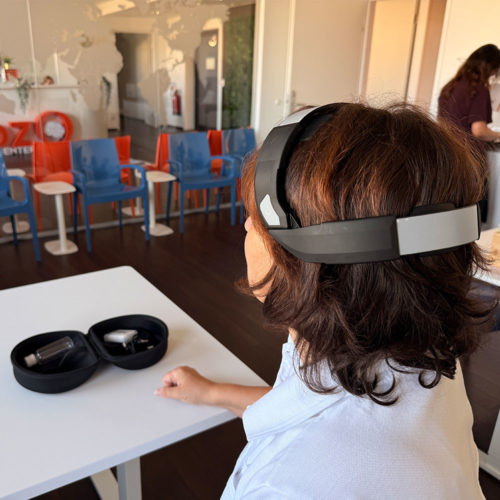
Treatment begins with a neurological diagnostic assessment, followed by intensive therapy at our Brain Center Vienna and subsequent home therapy. Learn more on the page: "Treatment Process".

Conditions we treat
Would you like to learn more about the conditions we treat and scientific research about the neuromodulation methods?
Go to the page